

The Aegean's Hidden Cove Route: A 7-Day Blue Journey Starting from İzmir
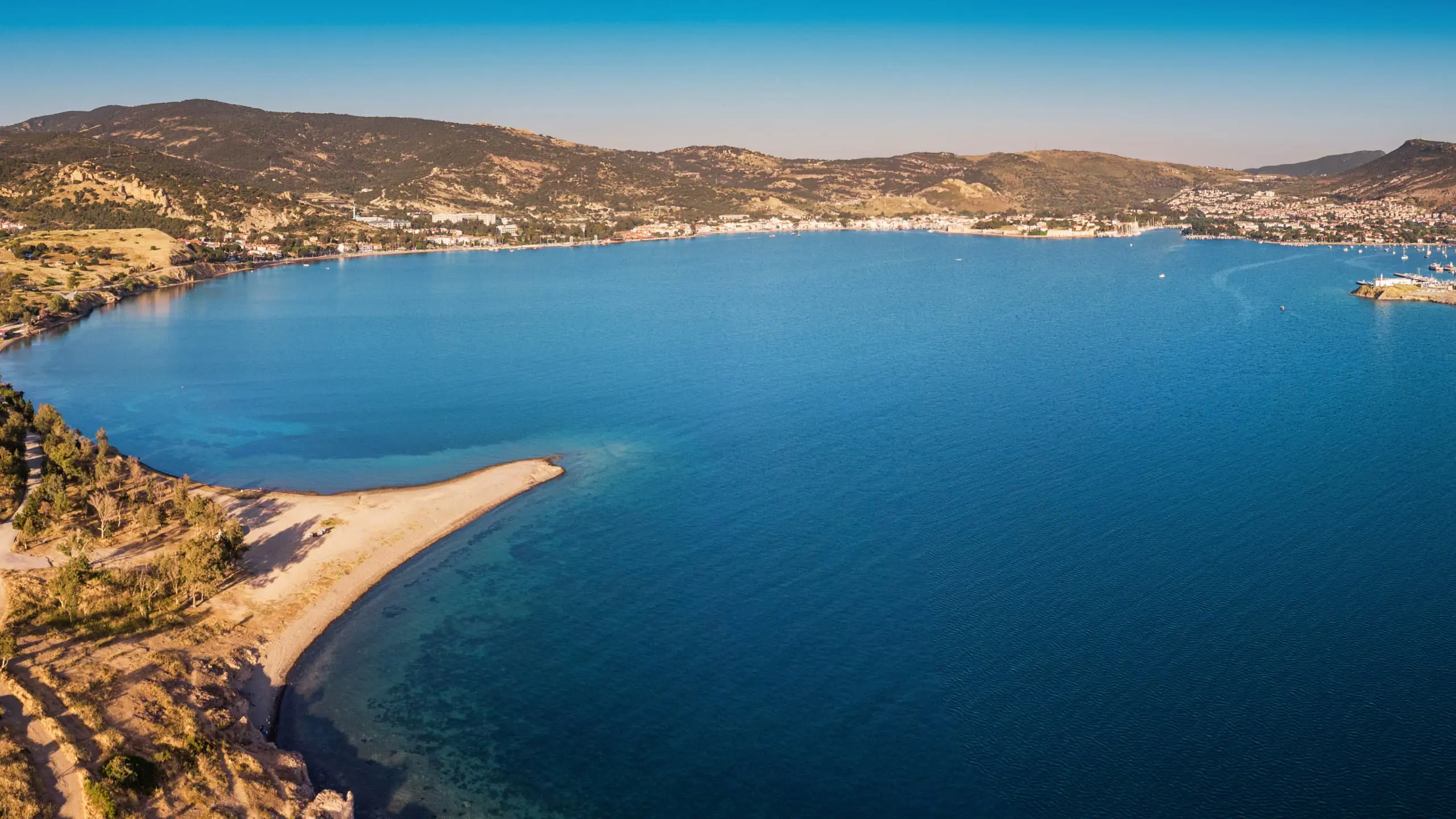
The tourist hubs of the Aegean coast can be crowded, their car parks full, and their coves all but unrecognisable through the long high season. But look toward the edges of the map and a different Aegean awaits: coves that begin where the stone roads end, small harbours made up of a handful of boats, fishing villages that fall silent with the evening call to prayer. There's no reaching this route by public transport. To stop at your own pace, to turn back and look again, and to discover the next cove, a rental car is an inseparable part of this journey. Here is a 7-day hidden cove route starting from İzmir.
Why Is a Rental Car Essential on This Route?
Most of the roads leading to the Aegean's hidden coves fall outside dolmuş (shared minibus) and bus routes. Getting from one cove to the next sometimes calls for narrow 5–10 kilometre tracks that branch off the main road. On this itinerary, car rental isn't just about comfort; it's a necessity for access. You can pick up a car from İzmir Adnan Menderes Airport or an İzmir city-centre office and start day one without losing any time. Considering a one-way drop-off in Bodrum or Marmaris at the end of the route, right at the booking stage, also simplifies the planning.
Day 1: İzmir — The Çeşme Peninsula
The route begins in İzmir; leaving the city behind early and heading for the Çeşme peninsula is the natural plan for the first day. Çeşme town is about a 1.5-hour drive away. Ildırı Cove and Çiftlikköy, on the southwest of the peninsula, are among the relatively calm stops on this stretch. A late-afternoon walk through the streets of Alaçatı and dinner on a wind-sheltered terrace round off the route's first day.
Day 2: Seferihisar and the Ancient City of Teos
Just south of İzmir, Seferihisar is the town that holds Turkey's first Cittaslow ("slow city") title. The drive from Çeşme by rental car takes about an hour. The ancient city of Teos, within Seferihisar's district, is an archaeological site the crowds haven't yet discovered; on the road running through it, you'll scarcely meet another soul. In the afternoon, Akkum and Ağılönü coves make good spots for a swim break.
Day 3: Kuşadası — Dilek Peninsula National Park
The third stop on the route is Kuşadası, though the real destination here is the Dilek Peninsula–Büyük Menderes Delta National Park. When you reach the park entrance by rental car, the coves of Karasu, İçmeler, Aydınlık, and Kavakburnu greet you one after another. The 9-kilometre coastal road that runs to the end of the park can be explored by car, and each cove has a character of its own. Since there's a per-vehicle fee at the national park entrance, it's worth building that into your daily plan.
Day 4: Didim and Lake Bafa
Didim brings the Temple of Apollo to mind, but on this route the real surprise lies hidden a few kilometres to the northeast. Lake Bafa is one of those rare thresholds where the Aegean meets inner Anatolia; it's ringed by the ancient ruins of Herakleia, island monasteries, and pelicans. Without a rental car, combining these two points in a single day is nearly impossible. The drive from Didim to Bafa takes about 35 minutes; watching the sunset from the lakeshore on the way back offers one of the route's quietest moments.
Day 5: The Hidden Villages of the Bodrum Peninsula
On this route, central Bodrum is a point of passage. The real stops lie to the west of the peninsula; Gümüşlük, Yalıkavak, and Türkbükü can be busy, but Kadıkalesi, Ortakent, and Karaincir are the overlooked faces of this peninsula. With a rental car you can tour the peninsula in a loop, make short stops in each village, and find a deserted cove around midday. After Bodrum, the route turns toward Muğla province and the coastal strip stretching to Marmaris.
Day 6: Marmaris — The Hisarönü Gulf
This is where car rental is at its most useful for escaping the crowds of central Marmaris. Leaving the city traffic behind and heading for the Hisarönü Gulf takes just 20 minutes. On the Bozburun Peninsula, the villages of Selimiye, Taşlıca, and Söğüt, with their calm coves where boats drop anchor and their seaside fish tables, set the tone for this stretch. The road to Bozburun is narrow and winding; this section calls for a careful, unhurried driving pace.
Day 7: Dalyan and İztuzu Beach
The journey's final stop is Dalyan, about 1 hour 15 minutes from Marmaris. İztuzu Beach, a nesting ground for loggerhead (Caretta caretta) turtles, a boat tour along the Dalyan Channel, and the ancient city of Kaunos are the main draws of this last day. İztuzu is reachable by car, but going early in the morning is recommended, both to avoid the crowds and to catch sight of the turtle tracks. From here you can finish the route and head back to İzmir, or weigh up returning the car at Dalaman Airport.
Which Car for Which Day?
This route doesn't offer a single type of road; each day has a different surface and driving character. On days 1 and 2, the Çeşme peninsula and the area around Seferihisar are smooth asphalt, and an economy-class car is plenty for this section. On day 3, the 9-kilometre stretch inside Dilek Peninsula National Park is a narrow, graded surface; with a car sitting low to the ground, manoeuvring inside the park gets harder, so a mid-size or compact SUV makes a noticeable difference on this day. On day 6, the Bozburun Peninsula is the toughest part of the route, with narrow, winding, and at times stony surfaces. Tackling this day in an SUV is the better call, both for the terrain and for driving safety on the downhill bends. Air-conditioning performance is a practical factor along the whole route; in July and August, the temperature inside the car climbs quickly on the coastal roads.
Driving Notes Specific to the Aegean
This route has a few details all its own. On the Aegean coastal roads, parking near the sea is exposed to salty wind; leaving the rental car in a shaded or covered car park is better for the paintwork and the windows. Signal dropouts are common on the Bozburun Peninsula, so downloading an offline map before setting off keeps your navigation reliable. Around Bodrum and Marmaris in the summer months, finding parking near the centre becomes difficult after 10 a.m.; starting the day early largely offsets the difference, both for parking and for crowds. The Dilek Peninsula National Park entrance builds up a queue in the afternoon, so arriving in the early morning is an advantage for both the entry and the calm of the coves. Fuel stations are plentiful along the main coastal road; filling up before heading inland to spots like Bozburun and Bafa is the safest approach.
Frequently Asked Questions
Is it possible to complete this 7-day route in a shorter time? It's possible, but not advisable. Squeezed into 4–5 days, every stop is spent rushing to reach the next; the value of this route lies precisely in the moments between the stops. Setting aside at least 5 days is the minimum for experiencing the route properly.
Can the Bozburun Peninsula be reached in a standard car? Technically yes, but the road is narrow, winding, and rough in places. Low-clearance cars call for careful driving. If you're prioritising comfort, a compact SUV is the more suitable choice for this day.
Is one-way car rental from İzmir to Dalaman possible? Yes. You'll need to specify the one-way rental option at the booking stage and review any additional fee conditions.
Which stop is best for those travelling with children? The coves of Dilek Peninsula National Park are shallow and calm, making them the safest swimming stop on this route for families. Dalyan's İztuzu Beach also offers a wide shoreline away from the crowds.
The Aegean Awaits, Your Car Is Ready
Hidden coves, ancient cities, and fishing villages lend a different colour to every day of this route. To experience this journey at your own pace, stopping where you want to stop and moving on where you want to move on, car rental is the right choice. For a wide vehicle fleet, flexible pickup points including İzmir Adnan Menderes Airport, and one-way drop-off options, visit Europcar Turkey.